
How Fasting Helps Your Cells “Recycle” Themselves: The Nobel Prize Connection
If you’ve been curious about fasting, you’ve probably heard about weight loss, energy boosts, or even better focus. But there’s an incredible benefit that happens deep inside your cells—a process so important that it earned a Nobel Prize in 2016.
This is the story of autophagy, the cellular “recycling program,” and why fasting is one of the most powerful ways to activate it.
What Is Autophagy?
Autophagy (pronounced aw-toe-fah-jee) literally means “self-eating.” But don’t worry—your cells aren’t destroying themselves. Instead, autophagy is like a housekeeping system for your body.
Think about your cells as tiny houses. Over time, broken appliances, damaged furniture, and old clutter accumulate. If nothing is done, the house becomes inefficient and unhealthy. Autophagy is like a cleaning crew that removes the broken parts, recycles what it can, and keeps everything running smoothly.
In short, autophagy keeps your cells healthy, energized, and functioning properly.
The Nobel Prize Discovery
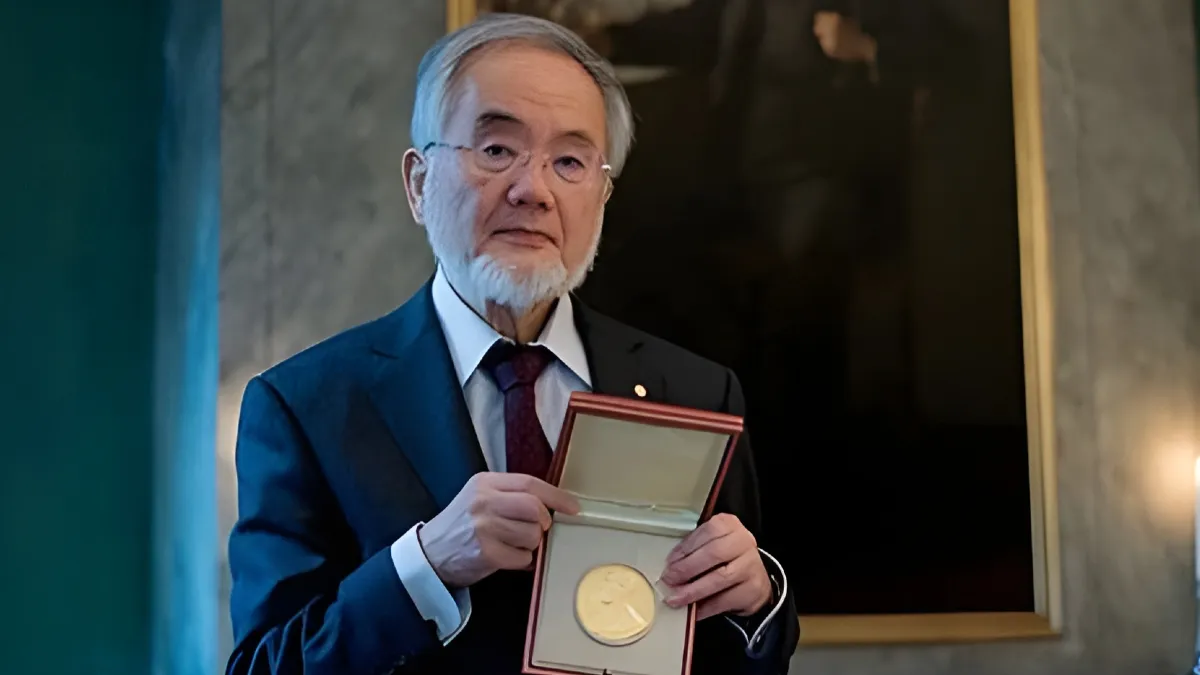
In 2016, Yoshinori Ohsumi, a professor from Japan, was awarded the Nobel Prize in Physiology or Medicine for his groundbreaking work on autophagy.
Before Ohsumi’s research, scientists knew cells could break down some of their own parts, but they didn’t understand how or why it happened. By studying yeast cells, Ohsumi discovered the genes and mechanisms that control autophagy. His work revealed how cells recycle damaged components and reuse them—a discovery that fundamentally changed our understanding of biology.
This research isn’t just theoretical—it shows a real process happening inside your body every day, and it turns out fasting is one of the most powerful ways to trigger it.
How Fasting Activates Autophagy
Autophagy is triggered when your body senses stress or scarcity. This doesn’t mean extreme starvation—it’s about giving your body a break from constant food intake. When nutrients are limited, your cells switch into maintenance mode and start cleaning up damaged proteins and organelles.
Here’s a simple way to visualize it:
Your body normally focuses on digesting and storing food.
During a fast, your body pauses that work and says, “Let’s clean up and repair!”
Damaged cellular components are broken down and recycled, giving your cells fresh materials to function better.
The longer the fast, the more likely your cells are to engage in deep autophagy. While shorter fasts can provide benefits, longer periods without food give your body the time it needs to do a thorough cellular housecleaning.
Why Autophagy Matters
Autophagy isn’t just a lab phenomenon—it has real health benefits for humans. Researchers have found that it:
Supports longevity: Cells that clean themselves efficiently age more slowly.
Protects the brain: Autophagy removes damaged proteins linked to Alzheimer’s and other neurodegenerative diseases.
Strengthens the immune system: Recycling damaged components helps immune cells stay strong.
Improves metabolic health: Autophagy helps regulate insulin and manage energy efficiently.
Maintains muscles: It helps remove old, damaged proteins in muscle cells, keeping them healthy and functional.
In other words, fasting doesn’t just help you lose weight—it helps your cells repair, rejuvenate, and function at their best.
How Long Do You Need to Fast?
Autophagy starts naturally in all humans, but the length of fasting matters. Short daily fasts (like skipping a meal) can initiate the process, but longer fasts—typically 24 hours or more—tend to produce a much stronger autophagy effect.
Here’s a general guide:
12–16 hours: Good for beginners; mild autophagy may occur.
24–48 hours: More significant activation; deeper cellular cleaning.
Beyond 48 hours: Advanced autophagy, but should be done carefully and ideally under guidance.
Even moderate fasting, like a 16–18 hour window without food, can help your cells get a mini-refresh. The key is to give your body a break from constant nutrient intake so your cells can switch from growth mode to repair mode.
Fasting Is More Than a Diet Trend
When you understand autophagy, fasting suddenly becomes more than just a diet choice—it’s cellular maintenance in action.
Every time you fast, your body:
Breaks down damaged proteins and cellular debris.
Recycles materials into energy and building blocks for new cells.
Reduces stress on organs and tissues.
This is why scientists call fasting a powerful health tool, not just a weight-loss method. It helps your body function better at the most fundamental level—inside each and every cell.
Simple Ways to Support Autophagy
If you want to harness the benefits of fasting and autophagy, here are some practical tips:
Try Intermittent Fasting: Skipping a meal or limiting your eating window is a great start.
Experiment with Longer Fasts: Occasional 24-hour fasts can provide a deeper autophagy effect.
Exercise Regularly: Physical activity can boost autophagy in muscles.
Prioritize Sleep: Cellular repair, including autophagy, is most active during sleep.
Stay Hydrated: Water, herbal teas, and black coffee support fasting without breaking it.
Remember, fasting isn’t about punishment—it’s about giving your cells a chance to clean, repair, and renew themselves.
Final Thoughts
Yoshinori Ohsumi’s Nobel Prize work showed us something incredible: our cells are naturally equipped to repair, recycle, and rejuvenate, and this process can be triggered by fasting.
Fasting isn’t just a tool for losing weight—it’s a science-backed way to support your body at the cellular level. Every time you give your body a break from food, you’re helping your cells clean house, remove damaged components, and refresh themselves.
It’s amazing to think that something as simple as a fast can have such a profound effect deep inside your body. Thanks to Ohsumi, we now know that cellular recycling is real—and fasting is one of the most natural ways to activate it.
Your body isn’t just surviving when you fast—it’s taking the time to repair, rejuvenate, and prepare for a healthier future.
Source and photo credit:
https://www.nobelprize.org/prizes/medicine/2016/ohsumi/photo-gallery/?gallery_style=page